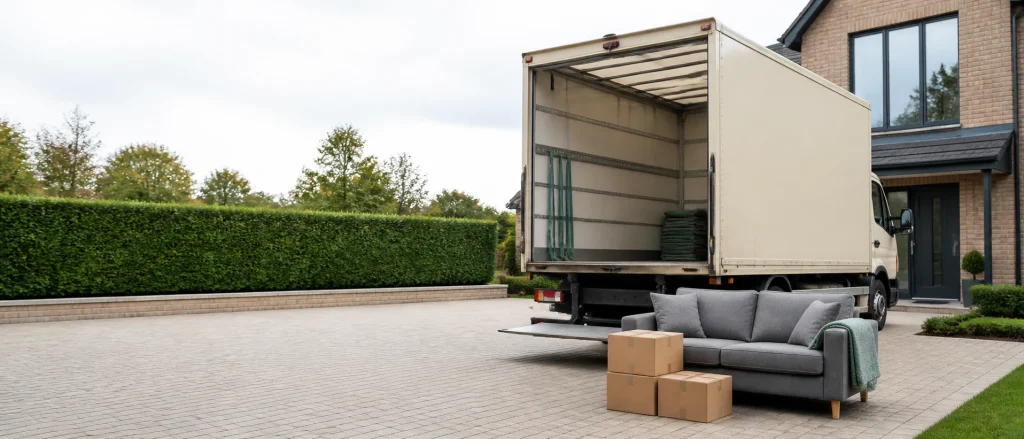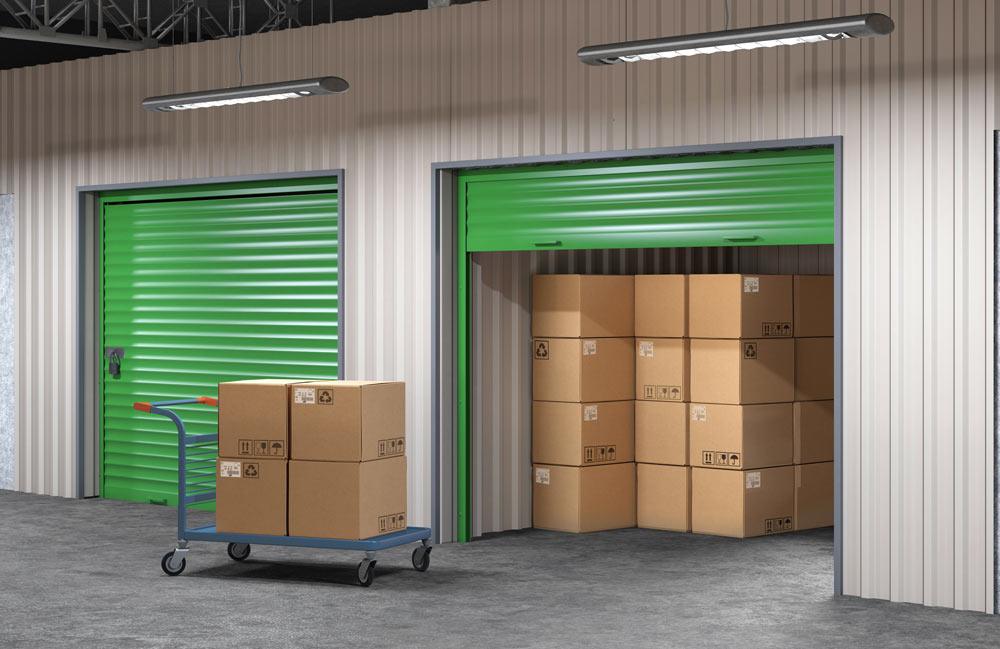

Sometimes a move does not happen in one neat step. There may be a gap between leaving one property and entering the next, or you may need extra space while work is being finished at home.
That is where safe moving storage matters. The right approach protects furniture from knocks, pressure, damp, dust and confusion, while keeping everything organised for the next stage of the move.
Why moving storage needs more care than spare space
Household furniture is not just a collection of objects. Sofas, beds, tables, wardrobes, mirrors, lamps and boxed goods all have different weak points. Some items can mark easily, some can bend under weight, and some need to be kept upright or away from pressure.
Safe storage starts before anything enters a unit. A good removals team will think about how each item will travel, how it will be protected, where it should sit in storage, and how it will be found again when needed. This is what separates moving storage from simply putting belongings into an empty space.
If you are planning a move with a gap between stages, it helps to choose a provider that understands both removals and storage. Caremove explains this combined approach on its moving storage service, which is useful if you want the handling and storage parts to work together rather than feel like separate jobs.
The main risks to furniture in storage
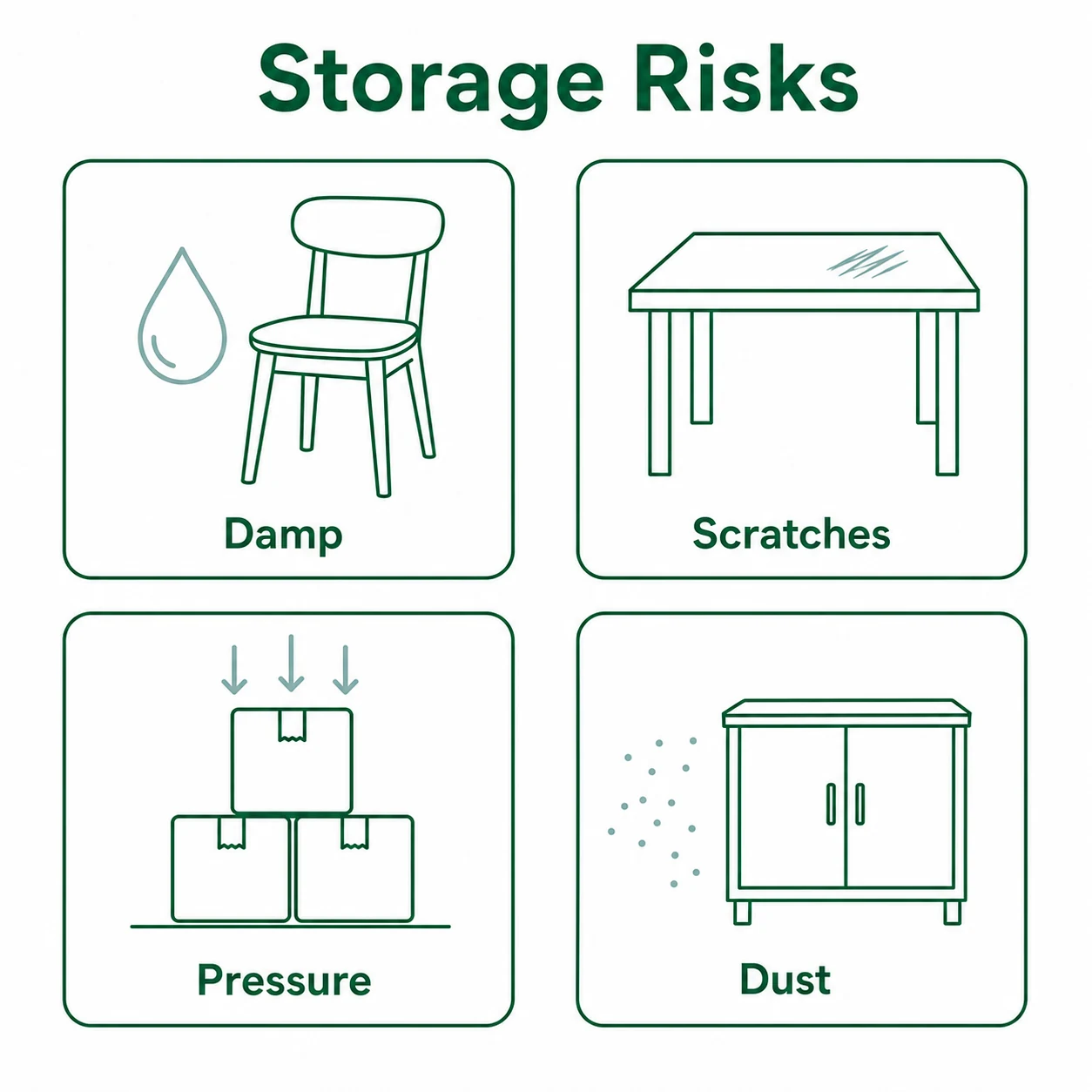
Most storage damage is not dramatic. It usually comes from small avoidable issues that build up over time or happen during handling. Common risks include scraped corners, compressed upholstery, loose parts going missing, damp affecting wood or fabric, and heavy items being stacked in the wrong place.
There is also the risk of confusion. If boxes are not labelled clearly, fragile pieces can be placed underneath heavier goods, or essential items can be buried deep in the unit. A tidy storage plan reduces that risk because it gives every item a sensible place.
Furniture with moving parts needs particular attention. Recliners, drawers, table leaves, bed frames and wardrobe doors should be secured so they do not shift in transit or open while being moved. Glass, mirrors and artwork need protective layers and careful positioning. Fabric items need to be covered without trapping moisture. Wooden furniture benefits from clean wrapping that protects edges but still respects the material.
For a wider look at avoidable problems, Caremove has a helpful guide to common storage unit mistakes. The main lesson is simple: storage is safest when it is planned, labelled and loaded with care.
How careful packing protects household items
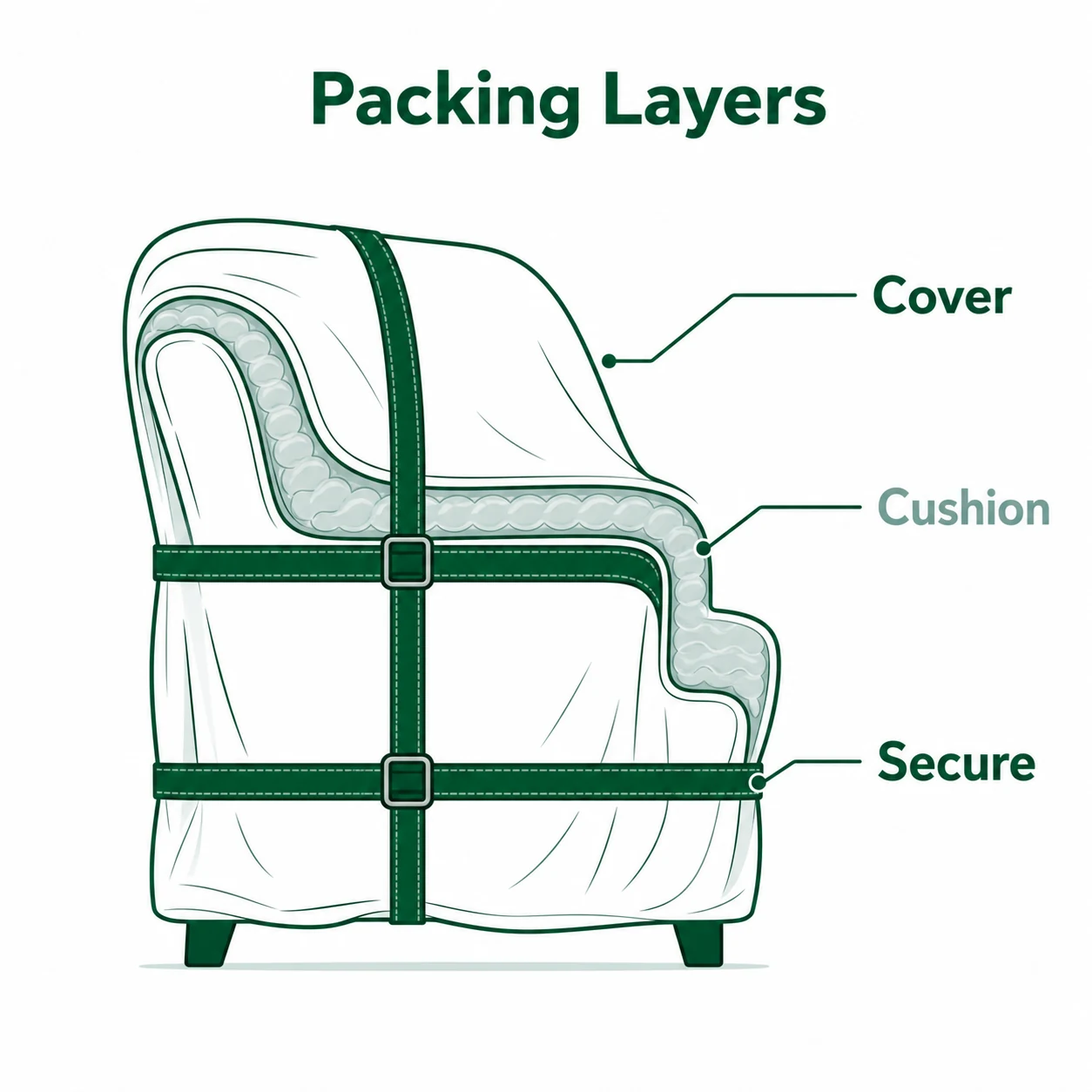
Packing is not just about filling boxes. It is about matching the protection to the item. A sturdy box protects books and kitchen goods, but it is not the answer for everything. Sofas, mattresses, dining chairs, lamps and delicate furniture need different forms of wrapping and support.
Good packing protects against contact damage. Corners, legs, arms and polished surfaces are often the first places to suffer if items rub against walls, door frames or other furniture. Protective covers, padding and careful lifting help reduce that risk from the moment items leave the room.
Boxed items should be packed so they do not collapse under their own weight. Heavy goods belong in smaller boxes, lighter items can go in larger boxes, and fragile pieces should have enough cushioning to stop movement inside the box. A box that feels full but not strained is usually safer than one with loose space or one that has been overfilled.
Labelling also forms part of protection. Clear labels help movers identify fragile boxes, heavy boxes, room destinations and items that need to stay accessible. If storage is only part of the journey, labels make the final delivery smoother because the team can place goods where they belong instead of opening and checking everything.
If packing is the part of the move that worries you most, the packing and unpacking service may be useful. Professional packing can be especially helpful when you have delicate furniture, many boxed items or limited time before moving day.
What suitable storage should provide
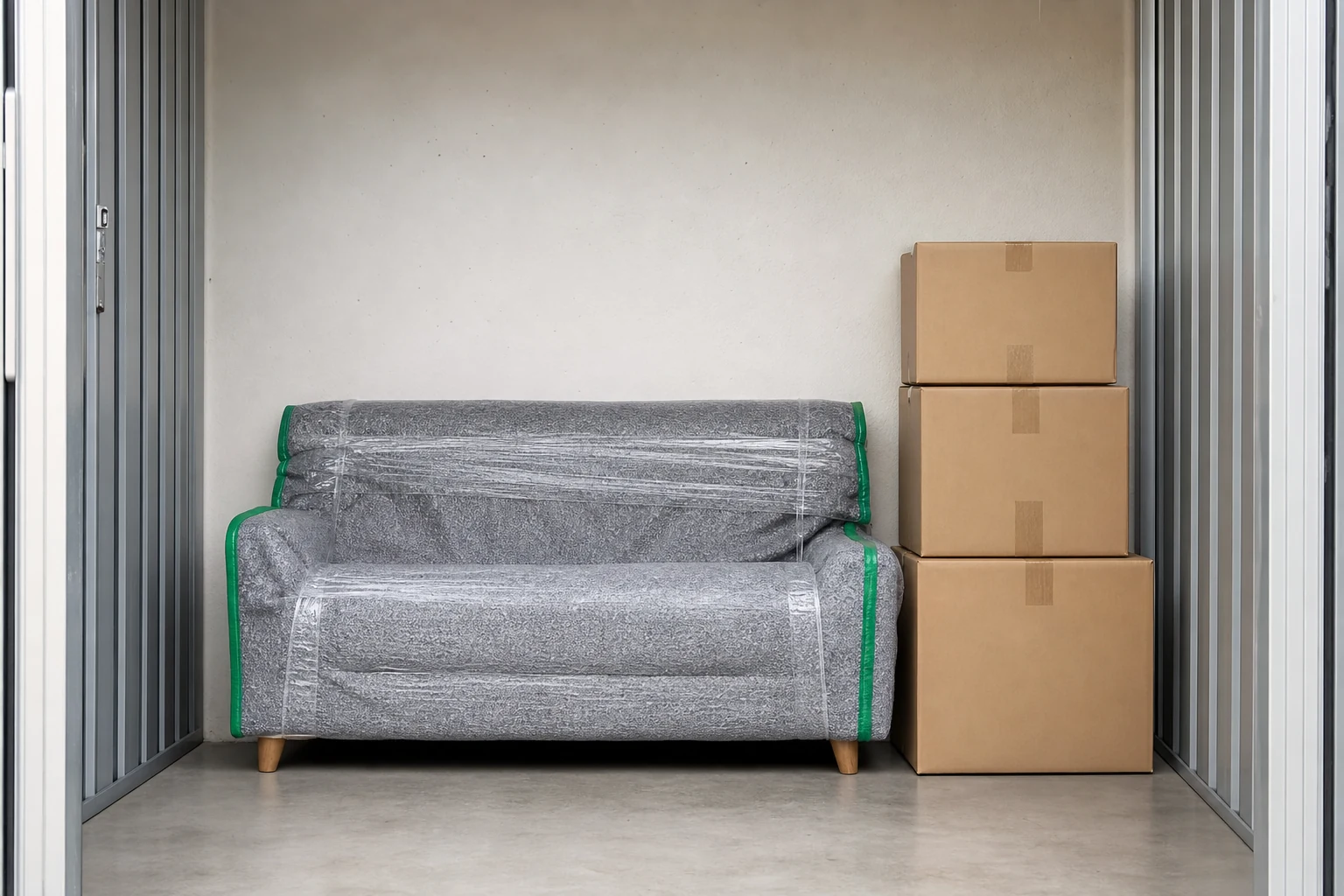
A suitable storage space should be clean, secure, dry and organised. It should protect belongings from weather exposure, dust, accidental contact and unnecessary movement. It should also be practical for loading and unloading, because many items are damaged during rushed handling rather than while sitting still.
The right storage choice depends on what you are storing and how long it needs to stay there. Some households only need temporary storage between completion dates. Others may need space while decorating, downsizing, renovating or waiting for a new property to become ready. In every case, the priority is the same: belongings should remain protected and easy to retrieve.
Security matters, but it is only one part of safety. A locked space is not enough if items are poorly stacked, uncovered or hard to access. Safe storage combines secure premises with sensible handling, protective materials and a clear inventory.
An inventory does not need to be complicated. It can be a clear record of what has gone into storage, which rooms the items came from, and any items that need special care. This helps you keep track of your belongings and helps the removals team plan the return move properly.
How loading and stacking reduce damage
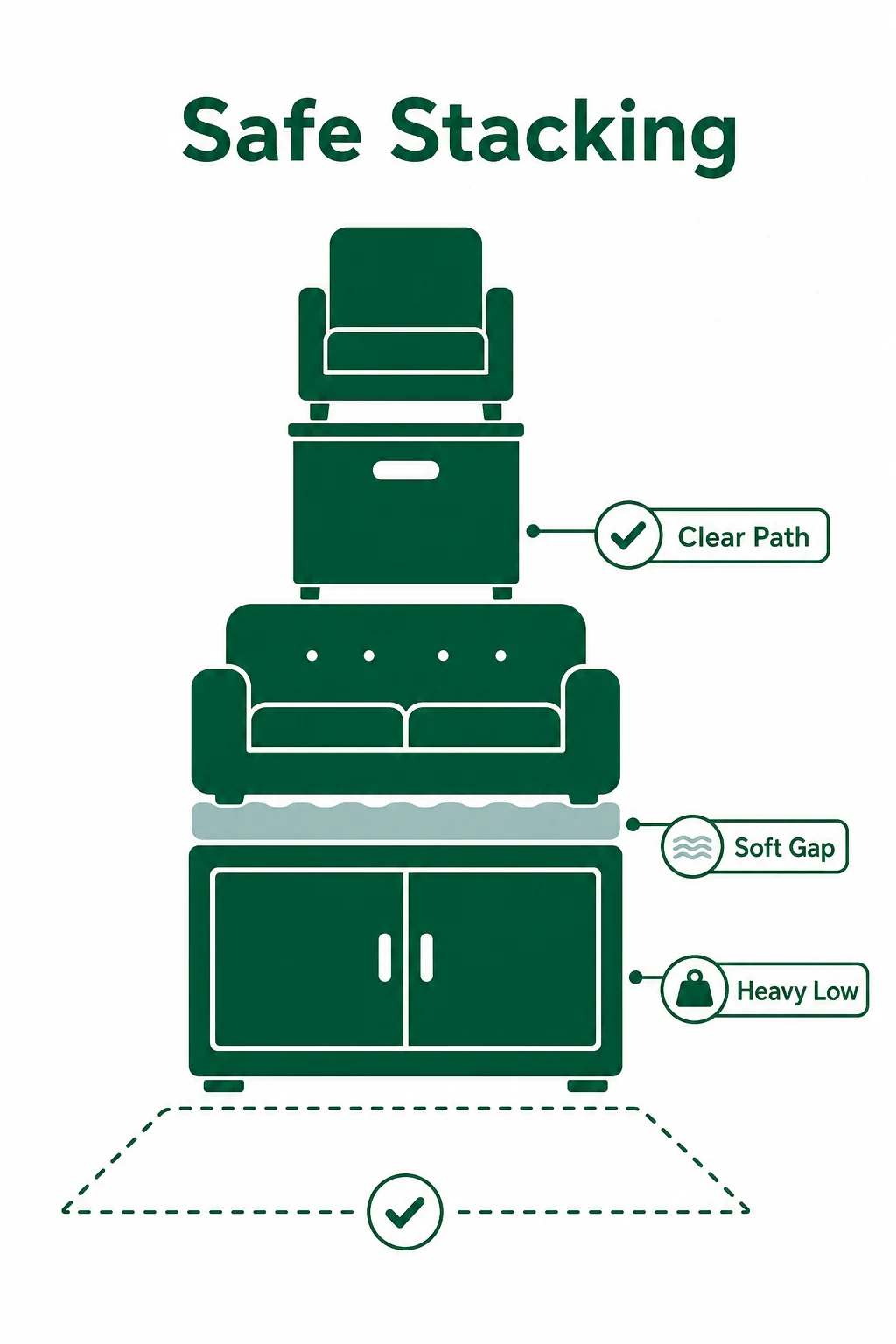
The way furniture is loaded into storage makes a huge difference. Heavy items should usually sit low and stable. Fragile items should not be placed where they can be crushed or knocked. Upholstered furniture should be positioned so it keeps its shape, and polished surfaces should be protected from direct contact.
Good movers also think about access. If you may need certain items before everything comes out of storage, those items should be placed where they can be reached without disturbing the whole unit. This can include work items, seasonal goods, spare clothing, documents or essential kitchen boxes.
Stacking should be firm but not forced. A storage unit that is packed too tightly can make removal harder later, increasing the chance of scrapes or dropped items. A well organised unit uses space efficiently while still allowing controlled movement when belongings are taken out again.
It is also worth separating items by type where possible. Beds, sofas, boxed goods and fragile pieces each benefit from their own handling logic. Grouping items sensibly means the return move can be planned room by room, which reduces confusion at the new property.
What you can do before storage day
Safe storage is a joint effort. A removals team can handle the lifting, protection and loading, but there are useful steps you can take before they arrive.
- Decide which items are going into storage and which are going straight to your next property.
- Remove loose items from drawers, cupboards and wardrobes unless the team advises otherwise.
- Keep important documents, chargers, medication and personal essentials with you.
- Tell the movers about fragile, valuable or awkward items before moving day.
- Label boxes clearly by room and contents, especially if you may need access later.
It also helps to declutter before storage where possible. Paying attention to what you keep, donate, sell or recycle means less to pack, less to store and less to sort later. Caremove has a practical guide on where to start with decluttering before a move if you want to make the process feel more manageable.
The aim is not to make your home perfect before moving day. It is simply to make sure the items going into storage are worth protecting and easy to identify when they come back out.
- Safe moving storage depends on careful handling, suitable protection and an organised storage plan.
- Different furniture needs different protection, especially upholstery, glass, mirrors and items with moving parts.
- Clear labelling and an inventory reduce confusion when belongings are returned.
- Good loading keeps heavy items stable, fragile items protected and important goods accessible.
- Decluttering before storage can make the whole move simpler and more efficient.
Frequently asked questions
Is storage safe for sofas and upholstered furniture?
Yes, when sofas and fabric items are handled carefully, covered properly and positioned so they are not compressed or rubbed against harder furniture. The key is to protect the fabric while avoiding conditions that could trap moisture.
Should I empty drawers before furniture goes into storage?
In most cases, it is sensible to remove loose or heavy contents before furniture is moved. This makes the item easier to handle and reduces strain on drawer runners, joints and frames.
How should fragile items be stored during a move?
Fragile items should be packed with cushioning, clearly labelled and kept away from weight or pressure. Mirrors, glass and artwork should be protected and positioned so they are not likely to shift or be knocked.
Can I access my belongings while they are in storage?
Access arrangements depend on the storage setup, so it is best to ask in advance. If you know you may need certain items, tell the removals team so those goods can be labelled and placed more conveniently.
Need safe storage between moving stages?
Caremove can help protect, move and store your household belongings with care, so your furniture is ready when the next stage of your move begins.