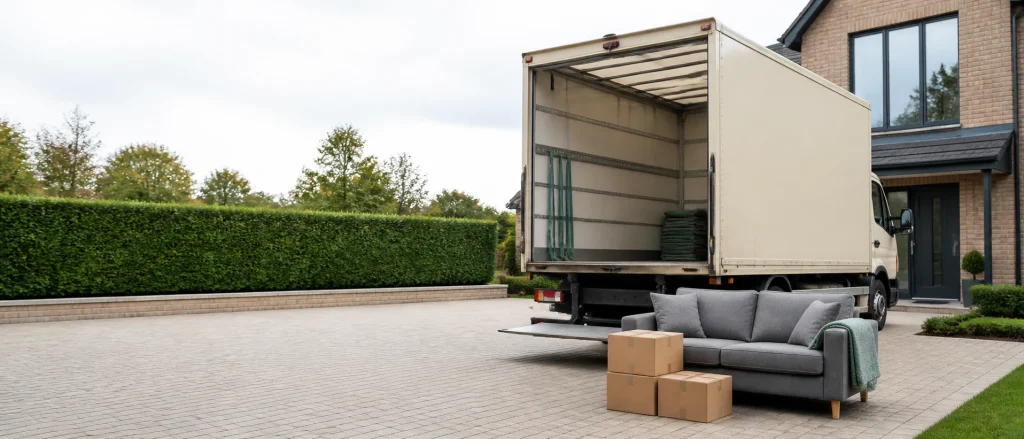
A whole house move is not just a matter of carrying everything out and finding a space for it in the vehicle. The safest moves are planned carefully, with each item loaded in an order that protects the property, the crew and the belongings inside the vehicle.
Good loading creates structure from what can otherwise feel like a very busy day. Bulky furniture, boxed goods, fragile items and last minute essentials all need their place, and a professional crew will think several steps ahead before the first item reaches the vehicle.
Why safe loading starts before moving day
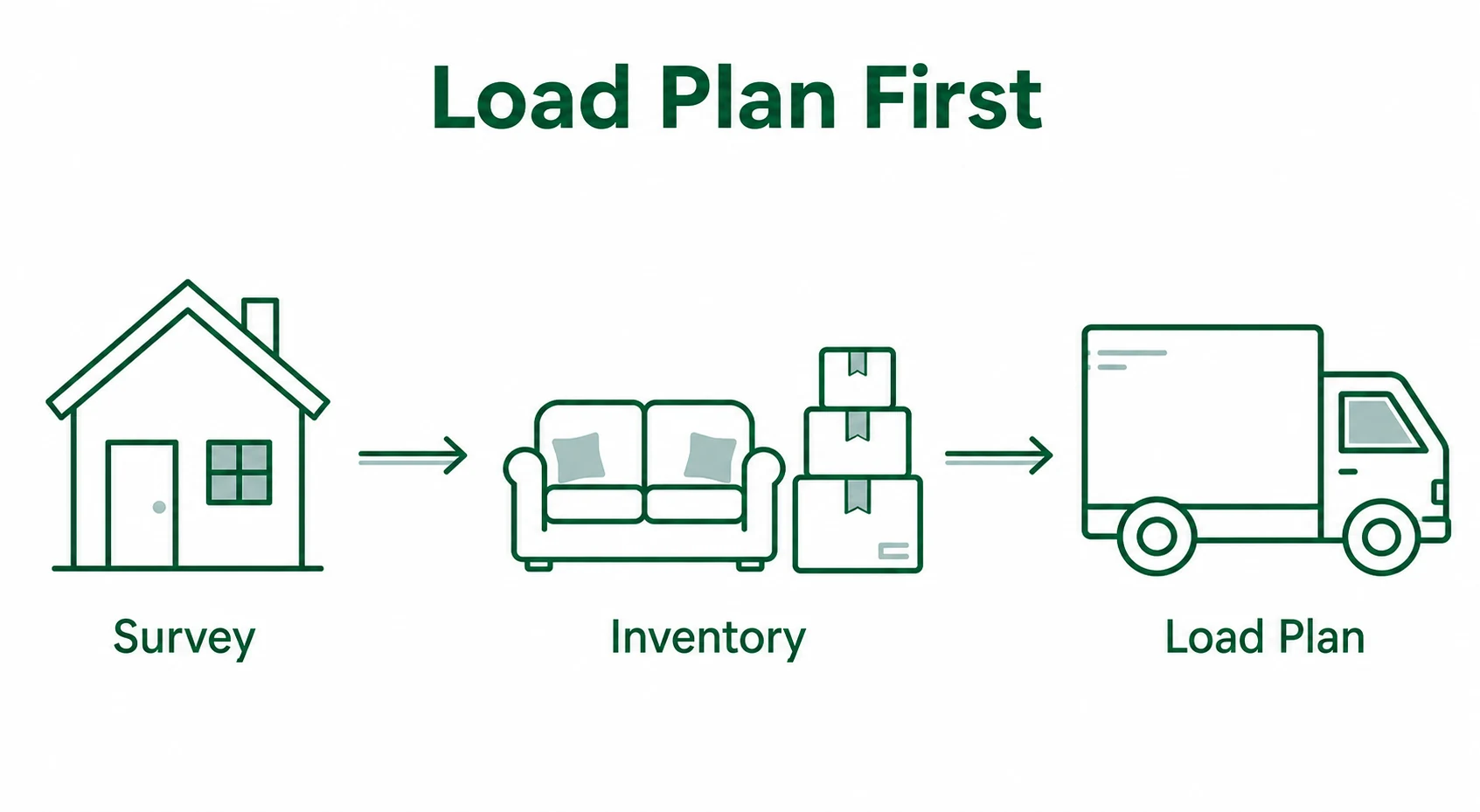
Safe loading begins with understanding the contents of the home. A crew needs to know what large furniture is being moved, which items need dismantling, how many boxes are expected and whether there are fragile, heavy or awkward pieces that need special handling.
This preparation helps the team decide the likely vehicle space required and the best loading sequence. It also reduces unnecessary handling on the day, because items can be taken from the home in an order that matches how they will sit in the vehicle.
A proper plan also considers access. Doorways, stairs, parking arrangements, floor protection and the distance from the home to the vehicle all affect how the move flows. If a large wardrobe needs to come down before the hallway fills with boxes, the crew will usually deal with that early. If a room contains fragile items that should not be crowded, those may be packed and moved in a controlled stage.
This is why the walk through matters. A clear look around the property gives the crew a working map of the move. They can spot items that need blankets, straps, covers or extra people, and they can decide which pieces should form the stable base of the load.
Building a stable base with heavy and bulky items
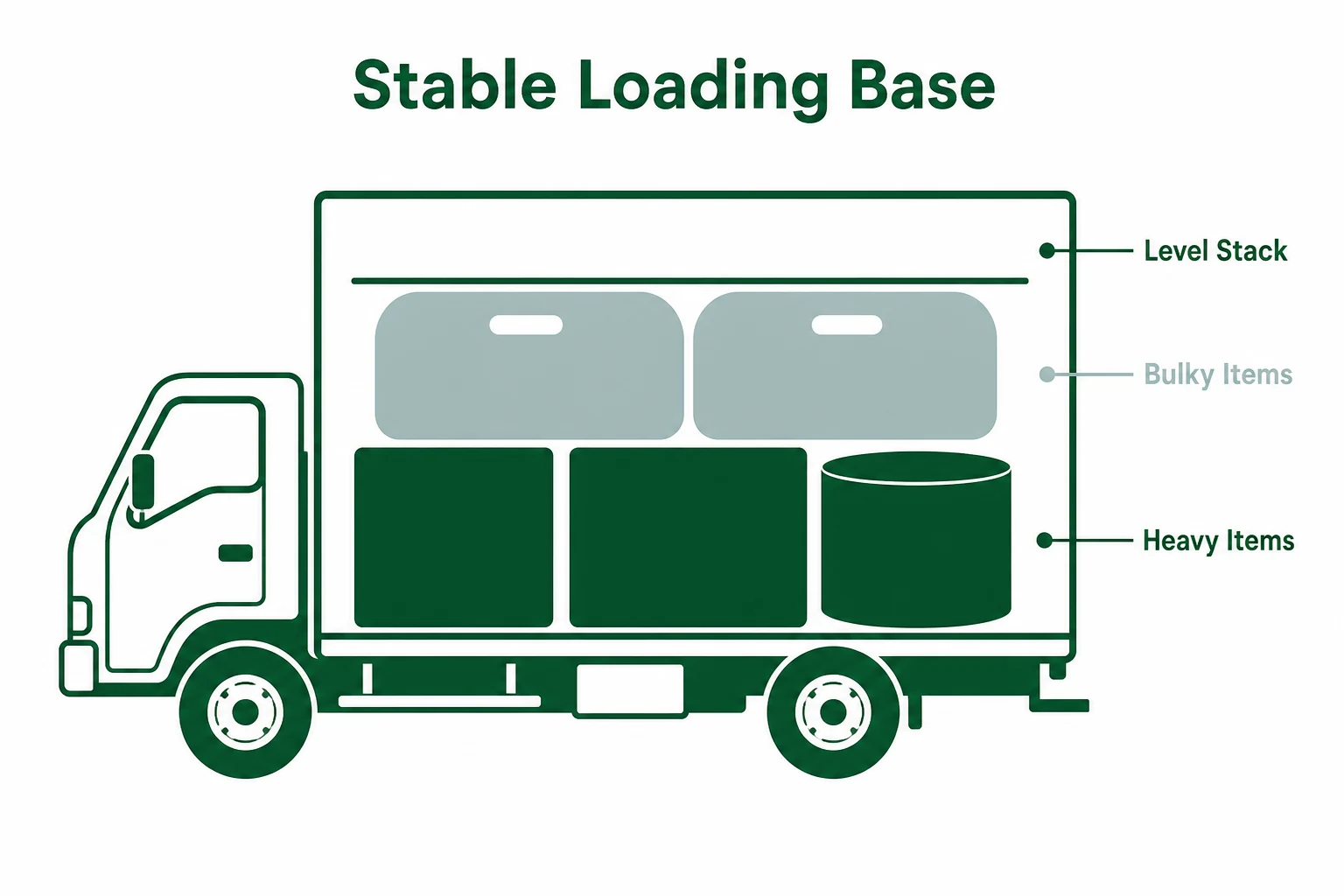
The first loading priority is usually stability. Heavy and bulky items often go in early because they create a strong foundation for the rest of the load. These can include wardrobes, chests of drawers, tables, appliances and larger pieces of seating.
The aim is not simply to put the heaviest items at the bottom. The crew also has to think about shape, weight distribution and how surfaces touch each other. A large flat item may be protected and placed upright. A solid item may be positioned low and secured so that it does not shift. Pieces with delicate legs, corners or finishes may need extra padding or a different position altogether.
Professional crews use moving blankets, straps and careful placement to stop furniture from rubbing, sliding or leaning into vulnerable items. Drawers, doors and removable parts are checked so they do not open in transit. Where suitable, furniture may be dismantled to make it safer to carry and easier to load.
This stage is especially important for full house moves because the vehicle can fill quickly. If the early load is uneven, later items become harder to place safely. A tidy base allows the crew to make better use of space while keeping the load controlled.
For readers planning ahead, Caremove has a useful guide on how professional packing protects sofas and boxed goods, which explains why protection matters before items ever reach the vehicle.
Where boxed goods fit in the loading order
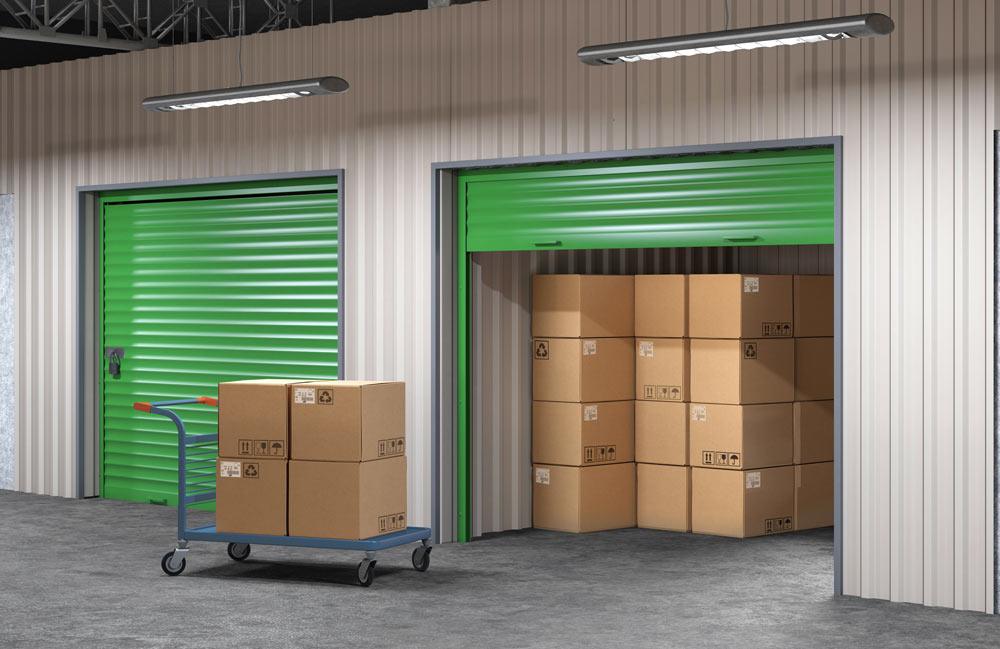
Boxes are often the easiest items to underestimate. They look regular and stackable, but the contents can vary greatly. Books, kitchenware, clothes, paperwork, lampshades and bathroom items all behave differently inside a vehicle.
A crew will usually separate boxes by weight, strength and fragility. Strong, heavy boxes can sit lower in the load, provided they are not so heavy that they risk damaging other items or becoming unsafe to handle. Lighter boxes can sit higher or fill spaces once the main structure is secure.
Clear labelling makes a real difference. Room names, fragile notes and basic content descriptions help the crew make sensible decisions quickly. A box marked for delicate kitchen items should not be treated the same as a box of bedding. A box needed first at the new home may be kept accessible rather than buried behind large furniture.
Good box loading is also about avoiding gaps. Empty spaces allow movement, and movement can lead to scuffs, crushed corners or unstable stacks. Crews use suitable boxed goods to fill protected spaces, always judging whether the box is strong enough for the position.
If packing is being handled by the customer, it helps to keep box weights manageable and consistent. Overfilled boxes can split or become difficult to carry, while loose contents can move around inside. For people who want support with this stage, a removals packing and unpacking service can make the loading process smoother because items arrive at the vehicle prepared in a more predictable way.
How fragile and awkward items are protected
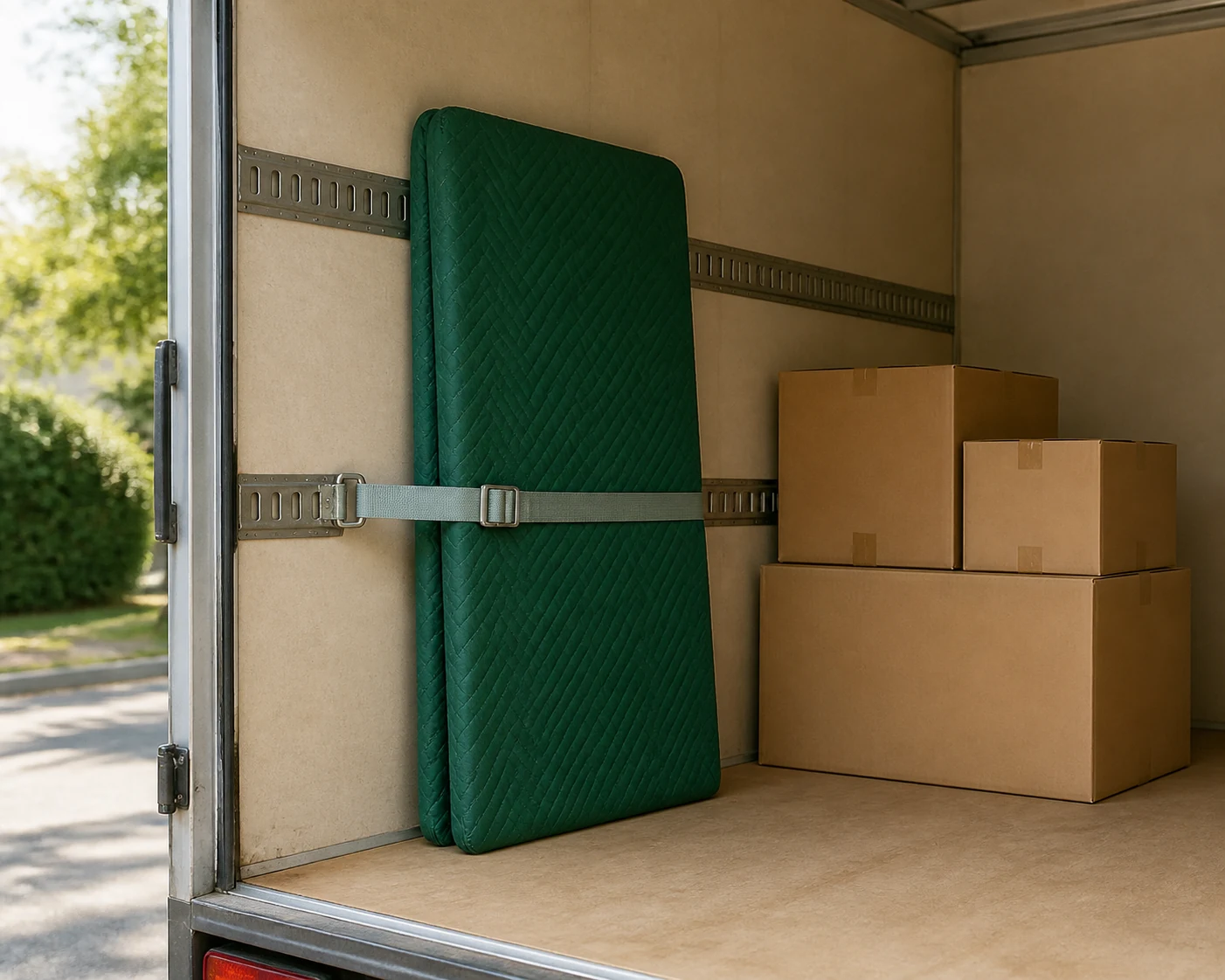
Fragile items need both physical protection and sensible positioning. Mirrors, artwork, glassware, lamps, electronics and sentimental belongings should not be treated as spare pieces to fit wherever there is room. They need planned spaces where pressure, vibration and movement are reduced.
A professional crew will usually keep fragile items clearly identified and avoid placing heavy goods against them. Some items may be packed into specialist cartons. Others may be wrapped, padded and secured upright. The right choice depends on the item, its shape and how it is likely to react during carrying and transport.
Awkward items are a separate challenge. Long, narrow, curved or unusually shaped pieces can waste space if loaded casually. They can also create pressure points against other belongings. Crews look for ways to protect edges, support weight evenly and avoid trapping delicate parts under strain.
Items such as sofas can also need extra thought. They may be bulky rather than fragile, but fabric, corners, feet and frames still need care. A crew may load them in a way that keeps surfaces protected and avoids unnecessary compression. The same principle applies to boxed goods with delicate contents, which should be easy to identify before they are placed.
If a move includes a storage stage, the loading plan may change again. Items may need to be packed for longer handling, not just a single journey. Caremove also explains this in more detail in its advice on safe moving and storage for household furniture.
Planning the unload while loading the vehicle
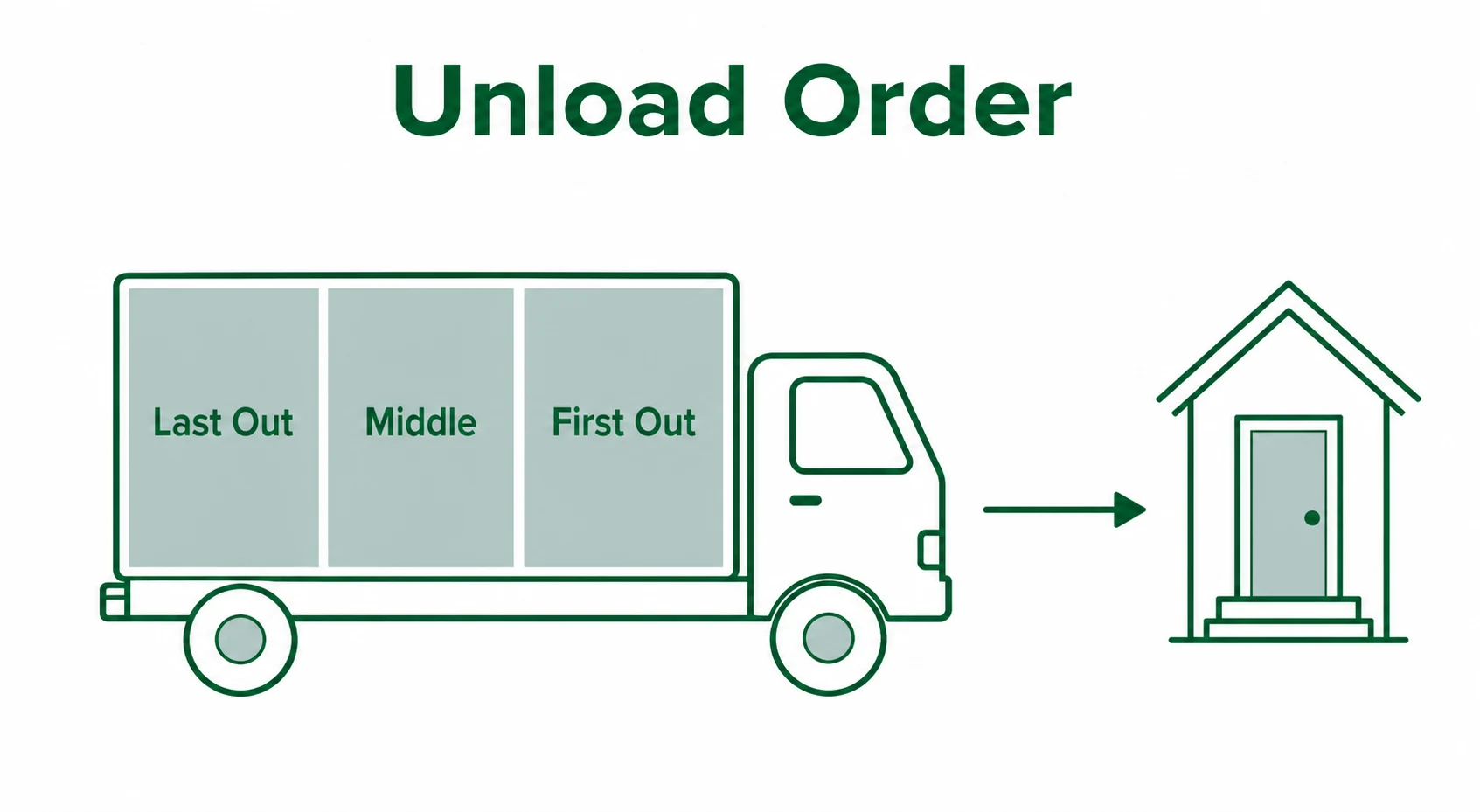
One of the most useful habits of an experienced removal crew is thinking about unloading while loading. The order of items in the vehicle should support the order they are likely to be needed at the new home.
For example, large furniture for upstairs rooms may need to be unloaded at the right moment, before hallways become crowded. Essential boxes may be kept accessible. Garden items, garage contents or storage pieces may be grouped so they can go straight to the correct area without crossing through the home unnecessarily.
This does not mean every item can be loaded in perfect room order. Weight, stability and protection still come first. But within those safety rules, a crew can group items intelligently so the unload feels organised rather than chaotic.
A good unload plan reduces double handling. If a box goes straight to the correct room, it does not need to be moved again later. If a bed frame and mattress are kept together, setting up the room becomes more straightforward. If fragile pieces are easy to identify, they can be placed somewhere sensible while the rest of the move continues.
This is also where communication helps. If the customer knows which items they will need first, they should say so before the vehicle is fully loaded. A small amount of planning can save a lot of searching later.
What customers can do to help the crew load safely
Customers do not need to manage the loading process themselves, but a few simple preparations can help the crew work efficiently and carefully. The most useful step is to make information clear before moving day and keep access as practical as possible.
- Label boxes with the destination room and any fragile contents.
- Keep essential items separate and tell the crew if they need to be accessible.
- Empty furniture where requested, especially heavy drawers or cabinets.
- Point out items with existing damage, weak joints or sentimental value.
- Keep walkways clear so the team can carry items without unnecessary obstacles.
It is also helpful to avoid mixing last minute loose items into already packed rooms. Small, unpacked belongings can slow the loading sequence because they need to be gathered, boxed or protected before they can travel safely.
Customers who are preparing for a move may also find Caremove’s guide on how to plan a stress free house move useful, especially when organising tasks in the days before the crew arrives.
The best moves feel calm because the details have been made visible. When the crew can see what needs protection, what needs priority and what belongs together, they can make better decisions at every stage.
- Safe loading starts with planning the home, access, furniture, boxes and fragile items before the vehicle is filled.
- Heavy and bulky furniture usually helps create the stable structure of the load, but positioning and protection matter just as much as weight.
- Boxes should be labelled clearly so the crew can judge weight, fragility, room destination and unloading priority.
- Fragile and awkward items need planned spaces, suitable protection and careful positioning to reduce movement and pressure.
- A professional crew loads with the unload in mind, helping the new home stay orderly from the first item in.
Frequently asked questions
Do removal crews load furniture or boxes first?
It depends on the move, but heavy and bulky furniture often forms the first stable structure in the vehicle. Boxes are then placed according to weight, strength, contents and the space available. Fragile items are protected and positioned where they are less likely to be compressed or moved.
Should I label every box before a house move?
Yes, clear labelling is one of the simplest ways to support safe loading and unloading. Add the destination room, a brief contents note and mark fragile items clearly. This helps the crew place boxes sensibly and take them to the right rooms at the new property.
How are fragile items kept safe during a full house move?
Fragile items are usually wrapped, boxed or padded before loading, then placed where they are protected from weight and movement. The crew may keep mirrors, artwork, glass and delicate pieces upright or separated from heavier goods, depending on the item.
Can I keep important items accessible during the move?
Yes. Tell the crew before loading begins if you need certain items first at the new home. Overnight bags, key documents, chargers, medicines and basic kitchen items are often best kept separate or loaded where they can be reached easily.
Planning a careful house move?
Caremove can help you organise a whole house move with practical planning, careful handling and a calm loading process from start to finish.